Over the next five years, this information will be linked to routinely collected health records to create a comprehensive database. The project, known as Smart-Health, is the first time that linked data has been used at scale in this way in the UK
To ensure patient confidentiality and data security, all information is housed within the NHS Yorkshire and Humber Secure Data Environment (SDE). This is a specially designed NHS controlled environment, used by a trained and approved team of data professionals who ensure all data is pseudonymised, meaning any identifying details are removed to prevent individual participants being identified.
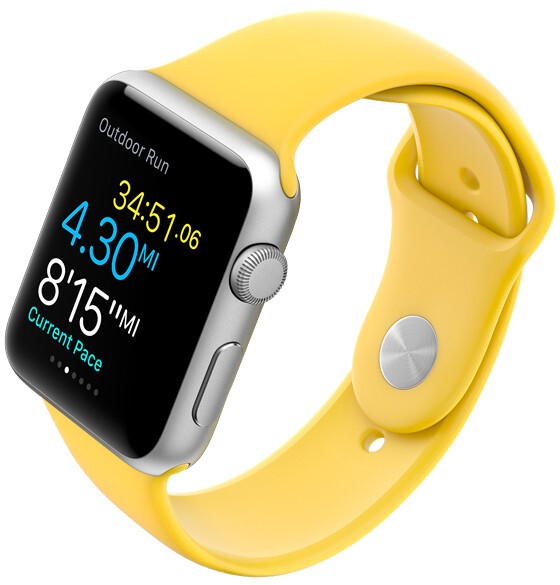
In the UK, over 90% of people use a smartphone, and approximately 40% wear a device like a Fitbit, Apple Watch, or Garmin. These gadgets track far more than just steps; they hold vital clues about our daily habits, activity levels, and cardiovascular health. Despite this, researchers rarely have access to this “real-world” data. The Smart-Health Project bridges this gap, ensuring we no longer miss opportunities for discoveries that could improve health outcomes for everyone.
Led by the University of Sheffield and Sheffield Hallam University and supported by the EPSRC/UKRI South Yorkshire Digital Health Hub, the project aims to address regional health inequalities and accelerate the diagnosis and treatment of diseases. By combining activity and movement data with lifestyle, socio-economic factors, and official NHS health records, researchers gain a holistic, 360-degree view of a person’s health. This allows for a deeper understanding of how our environment and daily choices impact long-term clinical outcomes.
The ultimate aim is to create a secure, research-ready database that facilitates vital research studies. Access is strictly controlled; researchers from universities, community organisations, social enterprises, and companies must apply to the Smart-Health Data Access Committee. Every application undergoes a rigorous review to ensure the research is appropriate, safe, and complies with all ethical and data protection rules. Importantly, research is conducted inside the secure environment to ensure the data remains protected at all times.
Prof Tim Chico, Professor of Cardiovascular Medicine at the University of Sheffield and Director of the South Yorkshire Digital Health Hub, said: “This is a very exciting project which has the potential to transform the way we provide healthcare. The linked data, stored securely in the SDE, will support researchers and help discover new ways to improve people’s health. It also has the potential to be expanded to include more data from more people, helping even more people.”
Elena Cassella, Data Scientist, University of Sheffield, said: “We aim to start onboarding participants and start collecting data at the end of this month. From here, we will slowly grow the Smart-Health database and hopefully be in a position towards the end of 2026 to get researchers onboard to look at using this research database and start to link to NHS health records.”